
Materi Keselamatan dan Kesehatan Kerja (K3) menjadi salah satu bagian penting dalam Pelatihan Implementasi Kurikulum Pencegahan Karhutla dan Patroli Hutan Tahun 2026 yang diikuti anggota Tim Patroli Hutan (TPH) pada 13 Juni 2026. Melalui materi ini, peserta tidak hanya mempelajari berbagai potensi risiko saat bertugas di lapangan, tetapi juga memahami langkah-langkah yang perlu dilakukan untuk menjaga keselamatan diri dan sesama anggota tim selama patroli berlangsung.
Selama pelatihan, peserta diajak mengidentifikasi berbagai sumber bahaya yang dapat ditemui saat patroli, mulai dari medan hutan, cuaca ekstrem, satwa liar, penggunaan alat kerja, hingga faktor manusia yang dapat memicu kecelakaan. Dari pembahasan tersebut, peserta menyadari bahwa keberhasilan patroli tidak hanya ditentukan oleh tercapainya target pemantauan kawasan, tetapi juga oleh kemampuan tim mengelola risiko di lapangan.
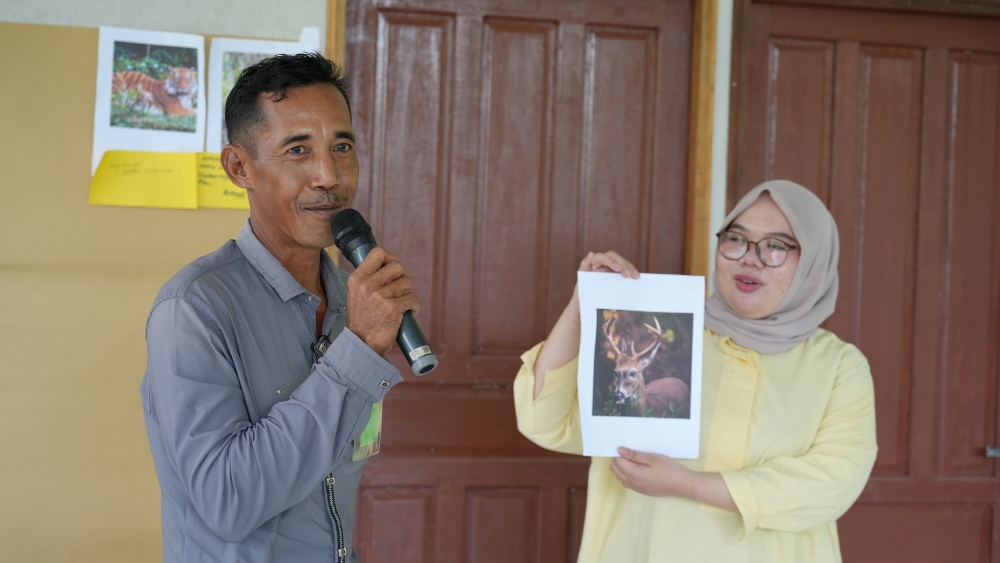
Weliyanto, TPH Mantaren I. Sumber foto: KPSHK.
Weliyanto, TPH Mantaren I, menilai materi K3 memberikan pemahaman baru tentang pentingnya memperhatikan kondisi seluruh anggota tim sebelum patroli dimulai. “Kadang kita terlalu fokus pada pekerjaan sampai lupa memperhatikan kondisi teman sendiri. Padahal keselamatan tim bergantung pada kesiapan semua anggota,” ujarnya.
Salah satu materi yang mendapat perhatian peserta adalah penerapan buddy system dan buddy check. Melalui pendekatan ini, setiap anggota tim bertanggung jawab memastikan rekannya dalam kondisi siap bertugas, baik dari sisi kesehatan, perlengkapan, logistik, alat komunikasi, maupun kelengkapan P3K.

Jamal, TPH Buntoi. Sumber Foto: KPSHK.
Bagi Jamal, TPH Buntoi, pelatihan ini memperkuat pemahaman bahwa perlengkapan keselamatan harus menjadi prioritas dalam setiap kegiatan patroli. “Perlengkapan keselamatan bukan untuk memenuhi daftar kebutuhan. Perlengkapan itu digunakan untuk melindungi anggota tim ketika menghadapi risiko di lapangan,” katanya.
Peserta juga memperoleh pemahaman bahwa berbagai risiko patroli dapat diminimalkan melalui persiapan yang baik. Pemeriksaan Alat Pelindung Diri (APD), kesiapan fisik anggota, ketersediaan logistik, hingga perlengkapan pendukung lainnya menjadi bagian penting yang harus dipastikan sebelum tim bergerak ke lapangan.
Heron dari TPH Gohong menilai metode pembelajaran yang digunakan selama pelatihan membantu peserta memahami materi secara lebih mudah dan dekat dengan pengalaman yang mereka hadapi sehari-hari. “Kami belajar bahwa keselamatan harus dipikirkan sebelum patroli dimulai. Ketika semua anggota saling mengingatkan, risiko bisa dikurangi,” ujarnya.
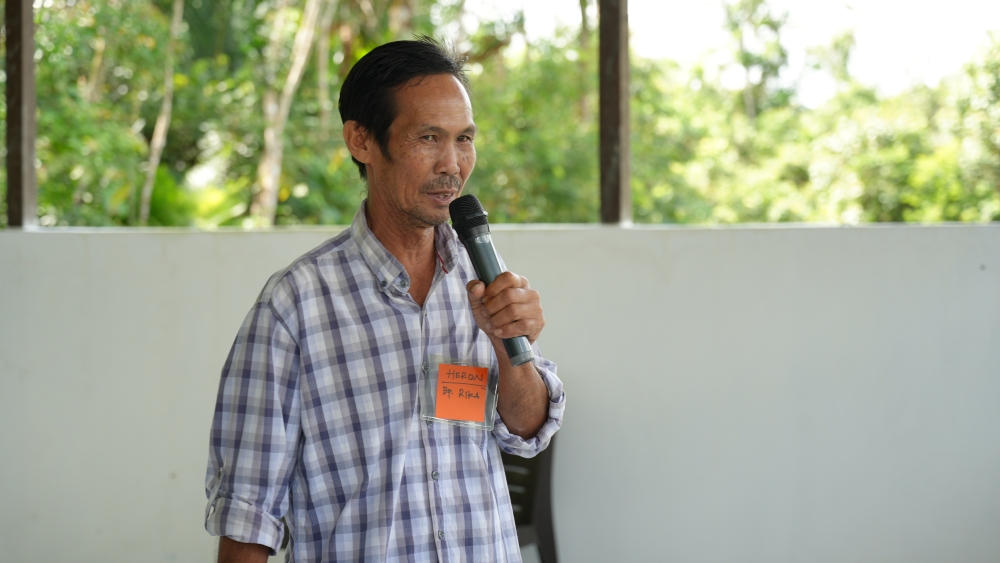
Heron, TPH Gohong. Sumber foto: KPSHK.
Sebagai hasil dari pelatihan ini, peserta berkomitmen menerapkan prinsip-prinsip K3 dalam setiap kegiatan patroli hutan. Beberapa langkah yang akan dilakukan antara lain membiasakan buddy check sebelum keberangkatan, memastikan penggunaan APD, memeriksa kelengkapan logistik dan P3K, serta membangun budaya saling mengingatkan antaranggota tim terkait keselamatan kerja.
Melalui Pelatihan Implementasi Kurikulum Pencegahan Karhutla dan Patroli Hutan Tahun 2026, peserta tidak hanya memperoleh pengetahuan mengenai potensi bahaya di lapangan, tetapi juga memiliki bekal untuk menerapkan prosedur keselamatan secara konsisten. Diharapkan, pengetahuan tersebut dapat meningkatkan kesiapsiagaan tim serta memperkuat praktik patroli hutan yang aman dalam mendukung upaya pencegahan kebakaran hutan dan lahan.
Penulis: Alma
Editor: JW & Kiss
Occupational Safety and Health (K3) material was a crucial component of the 2026 Forest Fire Prevention and Forest Patrol Curriculum Implementation Training attended by members of the Forest Patrol Team (TPH) on June 13, 2026. Through this material, participants not only learned about the various potential risks while on duty in the field, but also understood the steps necessary to maintain their own safety and that of fellow team members during patrols.
During the training, participants were encouraged to identify various hazards they might encounter during patrols, including forest terrain, extreme weather, wildlife, the use of work equipment, and human factors that can trigger accidents. From these discussions, participants realized that the success of a patrol is determined not only by achieving the area’s monitoring targets, but also by the team’s ability to manage risks in the field.
Weliyanto, TPH Mantaren I. Photo source: KPSHK.
Weliyanto, TPH Mantaren I, believes the K3 material provided a new understanding of the importance of paying attention to the condition of all team members before a patrol begins. “Sometimes we’re so focused on the work that we forget to pay attention to our teammates’ well-being. Yet, the safety of the team depends on the readiness of all members,” he said.
One topic that caught the participants’ attention was the implementation of the buddy system and buddy check. Through this approach, each team member is responsible for ensuring their teammates are ready for duty, including health, equipment, logistics, communication devices, and first aid supplies.
Jamal, TPH Buntoi. Photo Source: KPSHK.
For Jamal, TPH Buntoi, the training reinforced the understanding that safety equipment must be a priority in every patrol activity. “Safety equipment isn’t just for checking a checklist. It’s used to protect team members when facing risks in the field,” he said.
Participants also gained an understanding that various patrol risks can be minimized through proper preparation. Checking Personal Protective Equipment (PPE), member physical readiness, logistics availability, and other supporting equipment are all important aspects that must be ensured before the team heads into the field.
Heron from TPH Gohong assessed that the learning methods used during the training helped participants understand the material more easily and relate it to their daily experiences. “We learned that safety must be considered before a patrol begins. When all members remind each other, risks can be reduced,” he said.
Heron, Gohong Forest Management Team. Photo source: KPSHK.
As a result of this training, participants are committed to implementing OHS principles in every forest patrol activity. Some steps to be taken include practicing pre-departure buddy checks, ensuring the use of personal protective equipment (PPE), checking the completeness of logistics and first aid kits, and fostering a culture of mutual safety awareness among team members.
Through the 2026 Forest Fire Prevention and Forest Patrol Curriculum Implementation Training, participants not only gain knowledge about potential hazards in the field but also have the skills to consistently apply safety procedures. It is hoped that this knowledge will improve team preparedness and strengthen safe forest patrol practices in supporting forest and land fire prevention efforts.
Author: Alma
Editor: JW & Kiss
Add a Comment