
Sepatu bot menapak tanah gambut yang masih menyimpan air. Radio komunikasi menyala untuk memastikan seluruh anggota patroli berada pada jalurnya. Satu per satu mereka menyusuri batas hutan, sekat kanal, dan tepian kebun masyarakat. Pagi itu tidak ada kepulan asap. Tidak ada api. Namun, perjalanan tetap dimulai.
Patroli menjadi bagian dari upaya mencegah kebakaran sebelum api muncul. Setiap perjalanan digunakan untuk memeriksa kondisi lahan, mengamati titik yang berpotensi memicu kebakaran, sekaligus menyapa warga yang sedang berkebun atau mencari ikan.
Setiap pertemuan menjadi kesempatan untuk saling mengingatkan. Tim patroli mengajak masyarakat memastikan puntung rokok telah padam, tidak membuka lahan dengan cara membakar, serta segera melapor apabila melihat asap. Pencegahan lahir melalui kebiasaan yang dilakukan bersama.
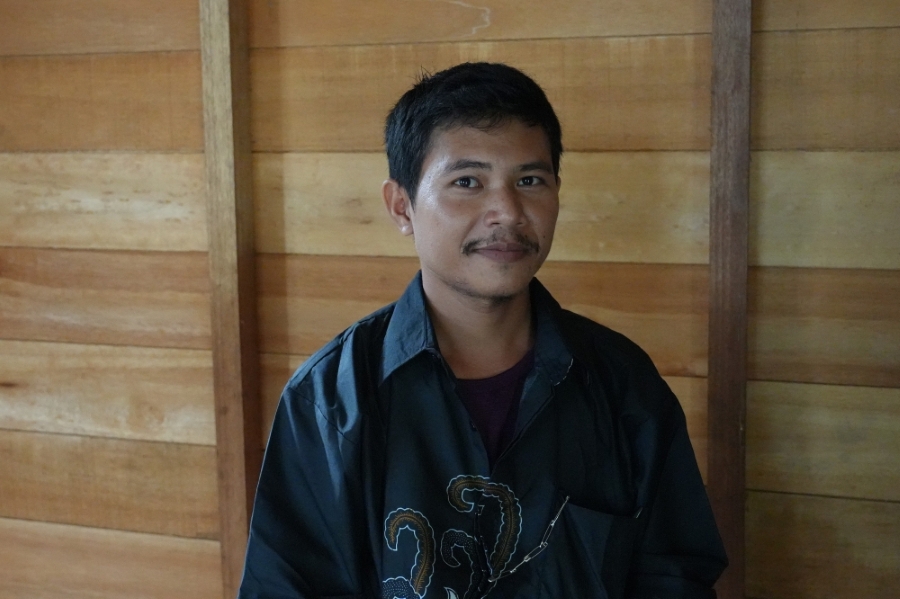
Siswanto, Tim Penjaga Hutan (TPH) Desa Mantaren I. Sumber foto. KPSHK.
Siswanto, Tim Penjaga Hutan (TPH) Desa Mantaren I, mengatakan bahwa patroli memiliki makna lebih dari sekadar menjalankan tugas. “Patroli ini bukan sekadar kewajiban kami sebagai tim patroli. Kami menjalaninya karena peduli terhadap hutan dan gambut. Harapan kami sederhana, hutan tetap lestari, gambut tetap terjaga, dan anak cucu kami kelak masih bisa menikmati apa yang kami jaga hari ini,” ujar Siswanto, Tim Penjaga Hutan Desa Mantaren I.
Kepedulian itu tumbuh pula di tengah masyarakat. Sati, warga Desa Mantaren I, mengajak setiap orang mengambil bagian dalam pencegahan kebakaran melalui tindakan yang dapat dilakukan sehari-hari. “Mari kita jaga hutan dengan tidak membakar lahan. Kita juga bisa membantu Tim Patroli Hutan dengan saling mengingatkan keluarga, tetangga, dan orang-orang di sekitar agar tidak membuka lahan dengan cara membakar,” ujar Sati, masyarakat Desa Mantaren I.
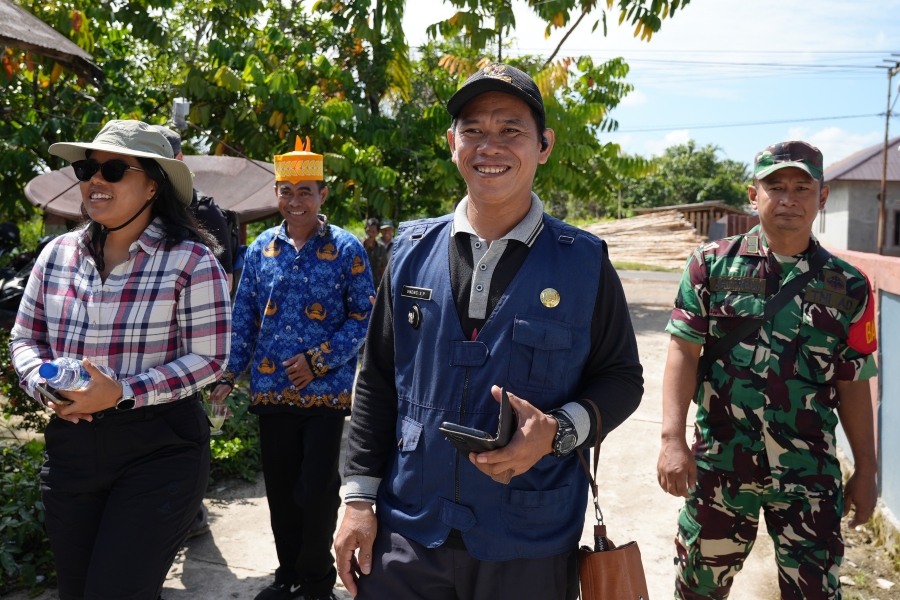
Uneng, Pejabat Kepala Desa Mantaren I. Sumber foto: KPSHK.
Upaya tersebut diperkuat oleh Pemerintah Desa Mantaren I melalui berbagai langkah pencegahan sebelum musim kemarau berlangsung. Peralatan disiapkan, spanduk dan poster dipasang, serta imbauan disampaikan kepada masyarakat maupun setiap orang yang memasuki kawasan hutan. “Persiapan pertama tentu kelengkapan peralatan untuk pencegahan. Selain itu ada spanduk, poster, dan penyampaian langsung kepada pengunjung hutan agar menjaga puntung rokoknya. Artinya harus benar-benar dipastikan apinya sudah mati,” ujar Uneng, Penjabat Kepala Desa Mantaren I.
Tim Penjaga Hutan (TPH), Masyarakat Peduli Api (MPA), LPHD, pemerintah desa, dan KPSHK membagi wilayah pemantauan agar pengawasan berlangsung selama musim kemarau. Setiap kelompok saling melengkapi ketika melakukan patroli maupun saat menerima laporan dari masyarakat. “Kalau teman-teman dari TPH bertugas di satu wilayah, MPA menjaga wilayah lainnya. Kalau memang ada kebutuhan bantuan, kami saling membantu. Jadi memang bentuknya kolaborasi,” ujar Uneng.
Patroli yang berhasil sering kali tidak menghasilkan foto kobaran api atau proses pemadaman. Perjalanan justru berakhir tanpa menemukan kebakaran. Hasil itu menunjukkan bahwa pencegahan berjalan sebelum api menyebar.
Langkah yang dimulai setiap pagi memperlihatkan bahwa menjaga hutan tidak hanya bergantung pada tim patroli. Masyarakat yang memilih tidak membakar lahan, warga yang saling mengingatkan, serta berbagai pihak yang terus melakukan pengawasan menjadi bagian dari upaya yang sama. Setiap langkah yang menyusuri hutan hari ini membantu menjaga hutan dan gambut agar tetap dapat dinikmati oleh generasi berikutnya.
Penulis: Alma
Editor: JW & Kiss
Boots tread upon peat soil that still holds water. Two-way radios are switched on to ensure all patrol members stay on course. One by one, they make their way along the forest edge, canal barriers, and the fringes of community gardens. There are no plumes of smoke this morning. No fires. Yet, the patrol sets out nonetheless.
Patrolling is part of the effort to prevent fires before they even start. Each excursion serves to check land conditions and identify potential fire hazards, while also offering a chance to greet residents tending their gardens or fishing.
Every encounter becomes an opportunity for mutual reminders. The patrol team encourages the community to ensure cigarette butts are fully extinguished, to avoid clearing land by burning, and to report any smoke immediately. Prevention is fostered through shared habits.
Siswanto, Forest Guard Team (TPH) member, Mantaren I Village. Photo credit: KPSHK.
Siswanto, a member of the Mantaren I Village Forest Guard Team (TPH), says that patrolling means more than just fulfilling a duty. “This patrol isn’t merely an obligation for us as a team. We do it because we care about the forest and the peatlands. Our hope is simple: that the forest remains sustainable, the peatlands stay preserved, and our children and grandchildren can still enjoy what we are protecting today,” said Siswanto.
This sense of care is also growing within the community. Sati, a resident of Mantaren I Village, urges everyone to play a part in fire prevention through everyday actions. “Let’s protect the forest by not burning land. We can also assist the Forest Patrol Team by reminding our families, neighbors, and those around us not to clear land using fire,” said Sati, a resident of Mantaren I Village.
Uneng, Acting Village Head of Mantaren I. Photo credit: KPSHK.
These efforts are reinforced by the Mantaren I Village Government through various preventive measures implemented ahead of the dry season. Equipment was prepared, banners and posters were put up, and advisories were issued to the public and anyone entering the forest area. “The first step was, of course, ensuring we had the necessary prevention equipment. We also used banners and posters, and directly advised forest visitors to properly handle their cigarette butts—meaning they had to ensure the fire was completely extinguished,” said Uneng, Acting Head of Mantaren I Village.
The Forest Guard Team (TPH), Fire-Aware Community (MPA), LPHD, village government, and KPSHK divided up monitoring zones to ensure continuous surveillance throughout the dry season. The groups complemented each other during patrols and when responding to reports from the community. “If the TPH team was on duty in one area, the MPA would cover another. If assistance was needed, we helped one another; it was truly a collaborative effort,” Uneng explained.
Successful patrols often did not result in photos of raging fires or firefighting operations; instead, the journeys frequently ended without any fires being found. Such outcomes demonstrated that prevention measures were working before fires could spread.
These daily efforts show that forest preservation does not rely solely on patrol teams. Community members who choose not to burn land, residents who remind one another, and various stakeholders maintaining vigilance are all part of this shared endeavor. Every step taken through the forest today helps protect the woodlands and peatlands, ensuring they remain for future generations to enjoy.
Author: Alma
Editors: JW & Kiss
Add a Comment