
Langkah kaki memasuki lahan gambut di Desa Gohong, Kecamatan Kahayan Hilir, Kabupaten Pulang Pisau, Kalimantan Tengah terasa berbeda. Tanah tidak padat. Permukaan bergerak saat diinjak yang menandakan masih ada air yang tersimpan di dalamnya. Beberapa titik tampak kering, namun saat ditekan, air perlahan muncul ke permukaan. “Kelihatannya biasa, tapi isinya air semua,” kata Heron dari Tim Penjaga Hutan (TPH) Gohong, sambil menunjuk tanah gelap di hadapannya.
Warna tanah gambut cenderung cokelat kehitaman, hampir seperti kopi pekat. Jika digali sedikit saja, terlihat serat-serat halus sisa daun, ranting, dan bagian tumbuhan yang belum sepenuhnya hancur. Bau yang tercium pun khas: campuran antara tanah basah, kayu lapuk, dan air yang lama tersimpan.
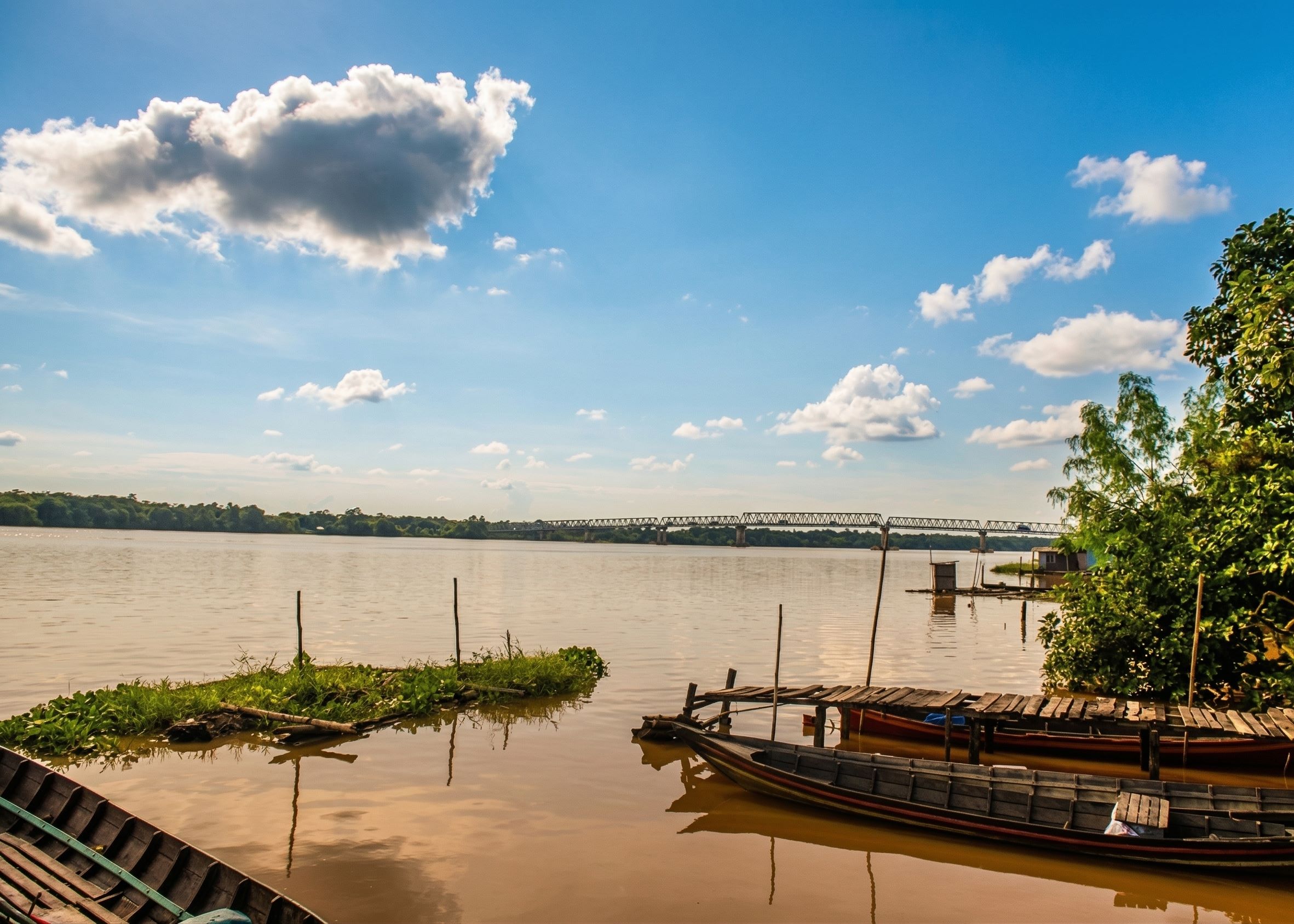
Sungai Kahayan. Sumber foto: KPSHK.
Gambut terbentuk dari tumpukan bahan organik yang perlahan membusuk selama ratusan hingga ribuan tahun, dalam kondisi minim oksigen. Proses panjang ini membuatnya menjadi gudang karbon alami. “Karbon yang tersimpan di gambut harus tetap berada di dalam tanah. Kalau gambut rusak atau terbakar, karbon itu lepas ke udara dan menambah panas bumi,” ujar Dr. Ir. Teddy Rusolono, M.S., Tenaga Ahli KPSHK.
Tak hanya menyimpan karbon, gambut juga bekerja seperti penyangga air raksasa. Saat hujan turun, air tidak langsung mengalir pergi. Ia meresap dan disimpan di dalam lapisan gambut, mengisi rongga-rongga halus di antara sisa tumbuhan. Ketika kemarau datang, air itu dilepaskan perlahan, menjaga kelembapan lingkungan sekitar. Karena itulah, di tengah musim kering pun, tanah di sini masih terasa dingin dan basah. “Makanya di sini masih ada air walau sudah lama tidak hujan,” ujar Dundung, juga dari TPH Gohong.
Namun, keseimbangan ini mudah terganggu. Ketika kanal atau saluran air dibuat, air yang seharusnya tersimpan justru mengalir keluar. Permukaan tanah yang tadinya lembap berubah menjadi kering, retak, dan rapuh. Dalam kondisi seperti itu, gambut menjadi sangat rentan terhadap api.
Upaya menjaga gambut berfokus pada air. Sekat kanal dipasang untuk menahan aliran air agar tetap berada di dalam lahan. Sumur bor disiapkan sebagai sumber air saat kebakaran. Patroli rutin memantau kondisi lapangan dan mendeteksi titik api sejak awal. Warga menjadi bagian dari sistem pengawasan. Perubahan kecil di lahan segera dilaporkan. Respons cepat menentukan kondisi berikutnya. “Kuncinya, air harus tetap ada di dalam tanah,” Heron menegaskan.
Di balik tampilannya yang sederhana, gambut menyimpan peran besar bagi kehidupan. Ia menjaga air, menahan karbon, dan menopang ekosistem yang luas. Ia mungkin tampak seperti tanah biasa bagi yang belum mengenalnya. “Kalau gambut dijaga, kita juga ikut aman,” ucap Firman, warga Desa Gohong. Pijakan di atas gambut menunjukkan satu hal. Tanah ini bukan sekadar permukaan. Ia sistem yang menjaga kehidupan.
Penulis: Alma
Editor: JW dan Kiss
Stepping into the peatlands of Gohong Village, Kahayan Hilir District, Pulang Pisau Regency, Central Kalimantan, feels different. The soil isn’t compacted. The surface moves when stepped on, indicating that there’s still water stored within. Some spots appear dry, but when pressed, water slowly rises to the surface. “It looks normal, but it’s all water,” said Heron from the Gohong Forest Ranger Team (TPH), pointing to the dark soil in front of him.
The color of peat soil tends to be blackish brown, almost like strong coffee. If you dig even a little, you’ll find fine fibers of leaves, twigs, and plant parts that haven’t completely decomposed. The smell is also distinctive: a mixture of wet soil, rotting wood, and long-stored water.
Kahayan River. Photo source: KPSHK.
Peat is formed from piles of organic material that slowly decompose over hundreds to thousands of years, in conditions with minimal oxygen. This long process makes it a natural carbon storehouse. “The carbon stored in peat must remain in the soil. If the peat is damaged or burned, the carbon is released into the air and increases global warming,” said Dr. Ir. Teddy Rusolono, M.S., KPSHK Expert.
Besides storing carbon, peat also acts as a giant water reservoir. When it rains, the water doesn’t immediately run off. It seeps in and is stored within the peat layer, filling the fine spaces between plant remains. When the dry season arrives, the water is slowly released, maintaining the humidity of the surrounding environment. For this reason, even in the middle of the dry season, the soil here remains cool and wet. “That’s why there’s still water here even though it hasn’t rained for a long time,” said Dundung, also from the Gohong TPH.
However, this balance is easily disturbed. When canals or drainage channels are constructed, the water that should be stored flows out. The previously moist soil surface becomes dry, cracked, and brittle. In such conditions, the peat becomes highly susceptible to fire.
Efforts to protect peatland focus on water. Canal blocks are installed to retain water within the land. Boreholes serve as water sources during fires. Regular patrols monitor field conditions and detect fires early. Residents are part of the monitoring system. Small changes in the land are immediately reported. A quick response determines the next stage. “The key is that water must remain in the soil,” Heron emphasized.
Behind its simple appearance, peat plays a vital role in life. It conserves water, holds carbon, and supports a vast ecosystem. It may seem like ordinary soil to those unfamiliar with it. “If the peat is protected, we are also safe,” said Firman, a resident of Gohong Village. Stepping on the peat demonstrates one thing: This soil is more than just a surface. It is a system that sustains life.
Writer: Alma
Editors: JW and Kiss
Add a Comment