

Restoration is emerging as an effective nature-based solution to the current problems of climate change and biodiversity loss. In addition to helping mitigate the impacts of climate change through carbon sequestration, restoration also helps restore biodiversity and generate economic benefits for local communities.
Restoration is the process of restoring an ecosystem or habitat that has experienced damage, degradation or disturbance due to natural disasters or human activities.
Integrated Management of Peat Forest Ecosystems in Kahayan Hilir Regency is a peat forest protection and restoration program involving 4 Village Forests (HD) in peat areas in Pulang Pisau Regency. The four HDs, namely Buntoi, Gohong, Kalawa, and Mantaren I, were implemented by KPSHK.
“The activities of this program include strengthening the Management Institutions of 4 LPHDs and 23 social forestry business groups (KUPS), strengthening community-based sustainable forest and peat management, empowering livelihoods, and project management, monitoring, reporting and evaluation to achieve the goals of peat forest and economic sustainability. the community,” explained Aftrinal as KPSHK Project Manager.
Restoration is also very important to reduce carbon emissions and overcome the climate change crisis because trees can absorb carbon dioxide from the atmosphere through the process of photosynthesis.
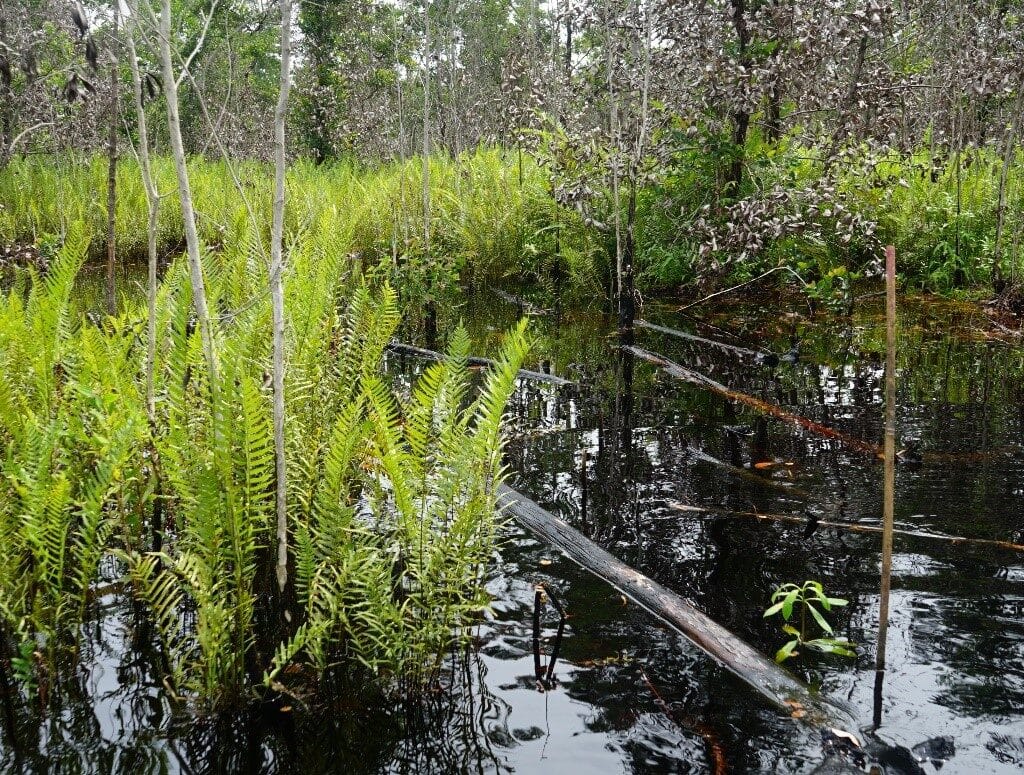
Restoration is becoming increasingly important and relevant today as carbon trading becomes more prevalent. In the Village Forest area, KPSHK has carried out peatland rehabilitation. Planting uses woody plant seeds and MPTS. A total of 88,619 seedlings have been planted in four village forests, according to data collected by the KPSHK GIS and planting team.
“Seeds of woody plants such as Balangeran (Shorea balangeran), Jelutung (Dyera lowii), and Pulai (Alstonia spatulate). “MPTS types such as Gemor (Nothaphoebe coriacea) and Paken (Durio kutejensis),” said Aftrinal
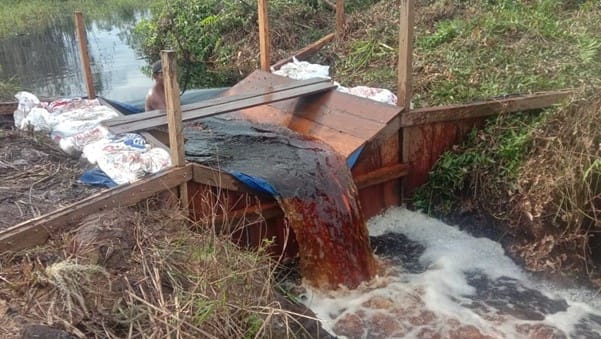
In restoring degraded peat, KPSHK has also built peat rewetting infrastructure such as 7 canal blockings spread across 4 village forests. Canal blocks are water retaining structures built in the body of a canal or ditch. The purpose of building canal blocks is to reduce the rate of outflow and maintain and/or increase water storage in the canal body and the surrounding area. The working principle of canal blocking is to hold and store water as long as possible in degraded peat areas.
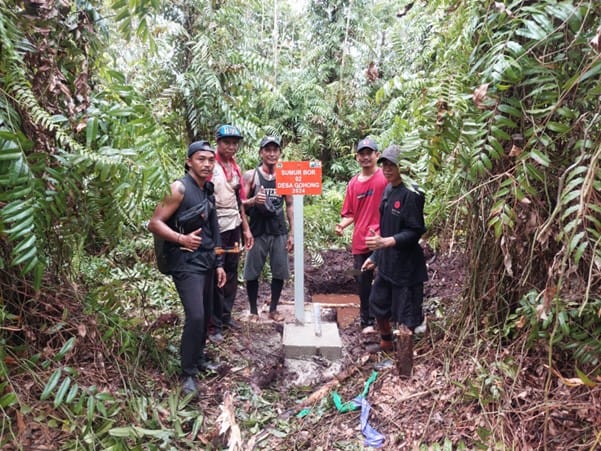
In an effort to tackle forest and land fires and reduce the impact of fires and prepare before the dry season if a forest fire occurs at the location and the peatland has no water source, KPSHK also built 40 drilled wells. Drilled wells are one of the dry season wetting techniques that can be applied in the field to re-wet dry peat by pumping groundwater reserves in the aquifer layer and pouring it on peat areas where the moisture level is low so that physical-morphological disturbances of the peat and the chance of fire hazards can be reduced. According to the Global Change Biology article entitled Ten Golden Rules For Reforestation To Optimize Carbon Sequestration Biodiversity, there are ten steps or golden rules for restoration that can help optimize carbon sequestration, biodiversity recovery, livelihood benefits, and relevance to carbon trading.
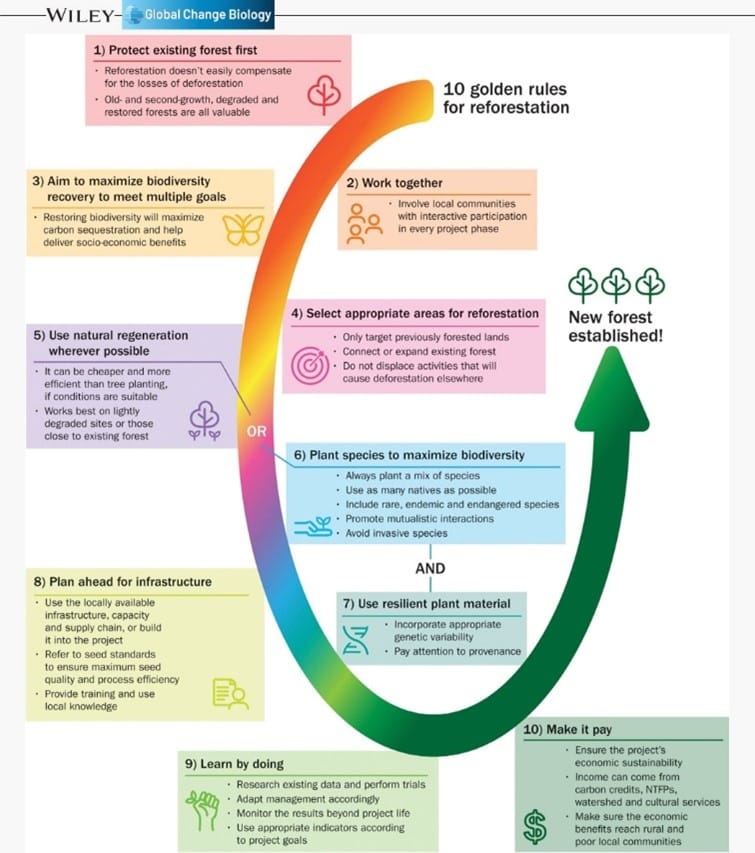
First, protect existing forests. Protecting remaining forests is the first and most important step. Biodiversity and carbon sequestration are essential for intact primary and secondary forests. Restoration cannot fully replace losses caused by deforestation, so protecting existing forests must be a top priority. Protected forests can also serve as a significant source of carbon credits in the context of carbon trading.
Second, work together with local communities. Each stage of a restoration project requires active participation from local communities. Involving local communities can increase project support, desirability, and success. Additionally, this collaboration ensures projects meet local needs and avoid conflicts of interest. In carbon trading schemes, the involvement of local communities can ensure that the economic benefits of carbon credits can be felt by those living around the forest.
Third, strive to restore biodiversity to achieve various goals. Restoring biodiversity must be the primary focus of successful restoration. In addition to increasing carbon sequestration, restoring biodiversity provides many socio-economic benefits. Forests with high biodiversity can generate more valuable carbon credits in the context of carbon trading because they offer additional ecosystem benefits.
Fourth, choose a suitable location for restoration. When choosing a location for restoration, it is worth considering areas previously covered by forest. More sustainable and efficient landscapes can be created by connecting or expanding existing forests. It is critical to ensure that deforestation problems do not spread through restoration. Additionally, areas must be chosen wisely to optimize carbon sequestration and biodiversity benefits.
Fifth, use natural regeneration wherever possible. Natural regeneration is often cheaper and more efficient than planting new trees. If natural conditions support it, let nature do its job. It works best in areas that are slightly degraded or that are close to existing forests. In the context of carbon trading, natural regeneration can reduce project costs and increase the value of the carbon credits generated.
Sixth, plant species to maximize biodiversity. To increase biodiversity, always plant a variety of tree species. To ensure that the constructed ecosystem is compatible with the natural environment, use as many native species as possible. Include rare, endemic and threatened species, and avoid invasive species that can disrupt environmental balance. This approach not only increases the value of the ecosystem but also the value of carbon credits.
Seventh, Use Tough Plant Materials. Make sure the plant material used has the right genetic variability. This will improve the ecosystem’s resistance to pest attacks and climate change. To ensure the planting material is appropriate for the restoration site, pay attention to its origins. In carbon trading schemes, the use of resilient plant materials ensures project sustainability and carbon credit stability.
Next, plan the infrastructure in advance. To ensure project success and efficiency, infrastructure planning is necessary from the start of the project. Use existing local resources, capacity and supply chains. Use proper standard seeds and provide necessary training to field teams. Good infrastructure ensures that restoration projects can run smoothly and generate sustainable carbon credits.
Then, learn while doing it. Restoration projects should be monitored and evaluated regularly. Research current data, conduct trials, and change the system based on the results. Use appropriate metrics to ensure project goals are achieved and continuously improve the methods used. In carbon trading, effective monitoring and evaluation ensures accurate delivery of carbon credits and sustainable development methods.
Lastly, create a program that generates profits. Ensure restoration projects generate economic benefits. Sources of income can come from carbon credits, non-timber forest products (NTFP), and ecosystem services such as water management and culture. Ensure poor and rural communities receive these economic benefits to improve their well-being. Carbon trading schemes can provide significant additional income, support project sustainability and improve the well-being of local communities.
Restoration programs can restore diversity, optimize carbon sequestration, and benefit local communities by following these ten golden rules. Properly planned and implemented restoration will not only help address global environmental challenges but will also create a productive and sustainable ecosystem for future generations. In the context of carbon trading, successful restoration programs can generate significant economic value, support global efforts to mitigate climate change, and ensure that all parties involved receive sustainable benefits.
Author: Alma Tiara
Editor: Joko W/Aris
Source:
Global Change Biology – 2021 – Di Sacco – Ten golden rules for reforestation to optimize carbon sequestration biodiversity.pdf
Add a Comment